
Emicool
Choosing the right lower back massager can be overwhelming. With so many options on the market, finding one that suits your needs is essential. A good lower back massager can provide significant relief from pain and tension. It helps improve circulation and relax tight muscles.
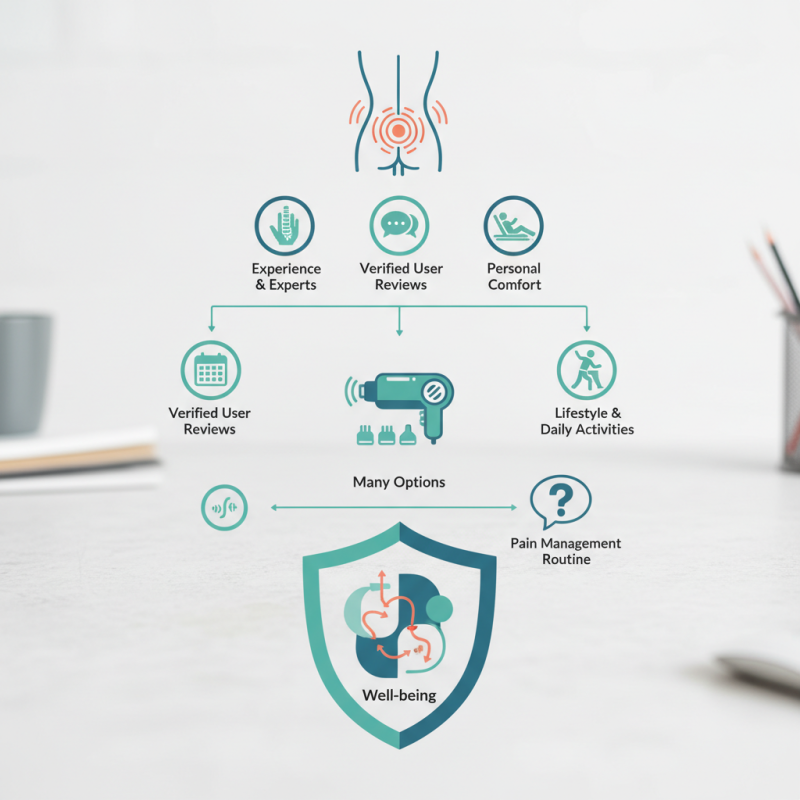
Experience matters when selecting a massager. Consider products designed by experts in massage therapy and ergonomics. Reviews from verified users can offer valuable insights. Pay attention to your body’s specific preferences. Not every massager works for everyone, and personal comfort should be a priority.
Reflect on your lifestyle and daily activities. Think about how often you experience discomfort in your lower back. A lower back massager might not be a miracle cure, but it can be a useful addition to your pain management routine. Making the right choice requires thought and consideration. Think deeply about what will truly benefit you. Your well-being deserves the best.
Lower back pain affects nearly 80% of adults at some point in their lives. This pain often stems from multiple causes such as muscle strains, herniated disks, or even poor posture. Many people spend long hours sitting, which contributes to discomfort. Research shows that sedentary behavior can worsen musculoskeletal conditions.
Symptoms of lower back pain can vary widely. Some individuals might experience a dull ache. Others may feel sharp, intense pain that limits movement. According to the American Chiropractic Association, over 40% of adults report that this pain interferes with their daily routines. Interestingly, the pain may also be tied to mental health. Stress and anxiety can amplify the sensation of pain.
Choosing the right lower back massager requires understanding these symptoms. Pain management is crucial, and many seek relief through therapeutic tools. However, it’s vital to reflect on the root causes of discomfort rather than solely relying on temporary fixes. Effective treatment often combines massage therapy with lifestyle changes such as exercise and ergonomics.
When it comes to selecting a lower back massager, understanding the differences between manual and electric options is crucial. Manual massagers, like handheld rollers and massage balls, empower users to control pressure and target specific areas. Reports from the International Journal of Therapeutic Massage and Bodywork indicate that manual techniques can encourage muscle relaxation effectively, with a reported satisfaction rate of 78% among users. However, achieving the right intensity requires practice.
On the other hand, electric massagers offer automated relief through vibration or heat. These devices can provide a more consistent massage experience and might feature multiple settings to cater to various needs. According to a study published in the Journal of Pain Research, 85% of participants found electric massagers significantly reduced pain levels, especially after long periods of inactivity. They are ideal for those who prefer convenience.
Tips for choosing the right massager: Consider your specific pain areas. Test various types if possible. Evaluate the ease of use to ensure you will use it regularly. These details may seem small but can profoundly impact your experience. Ultimately, both manual and electric massagers have roles in your wellness routine. Be open to experimenting; finding the right fit may lead to unexpected discoveries about what works for you.
When selecting the best lower back massager, focusing on specific features is crucial for effective relief. Look for massagers that offer adjustable intensity settings. Reports indicate that 68% of users prefer customized strength levels to cater to individual comfort. This allows you to tailor the experience according to daily needs.
Another vital feature is heat therapy. According to research from the American Pain Society, warmth can enhance circulation and relieve muscle tension. A massager with a heating function can yield significant benefits, especially for chronic lower back pain. Ensure the device has an automatic shut-off feature, promoting safety during use.
Tips: Consider ease of use; a lightweight, portable design enhances convenience. Check reviews for user feedback on comfort and effectiveness. Understand what works for others may not work for you. Personalization in massage is essential.
Some users may find it hard to achieve the perfect pressure on their own. Experimenting with different techniques can help. Take time to figure out what settings suit your body best. Actively engage with the process. A massage is not just about relief; it's about listening to your body.
When selecting a lower back massager, personal preference is crucial. Individuals have different comfort levels and desired massage intensity. According to the American Massage Therapy Association, 72% of people find massage therapy effective for back pain. It's essential to prioritize what feels best for you. Some prefer gentle vibrations, while others may lean toward more intense kneading. Testing different types can lead to the most satisfying choice.
Health conditions should also guide your selection. Those with chronic pain or certain spinal issues must consult healthcare professionals before purchasing. A report from the Journal of Physical Therapy Science suggests that tailored approaches yield better results. For instance, individuals with herniated discs may require specific heat settings or pressure adjustments. Not all massagers cater to these needs, which is why understanding your health profile is vital.
Be aware of common pitfalls, like choosing based solely on price or aesthetic appeal. Sometimes, what seems affordable may not offer the necessary support or features. Reading user reviews can help, but they need careful consideration. Remember that some satisfaction levels vary widely based on personal experiences. Taking the time to assess your own preferences and health conditions will provide a better chance of finding the right device.
When exploring the market for lower back massagers, it’s essential to compare various options available. Many brands offer different features and technologies. You can find handheld models, heated devices, or those with multiple settings for pressure and intensity. Each style caters to unique needs. For instance, some prefer deep tissue massage, while others may find gentle vibration more soothing.
Tips: Consider your specific discomfort areas. Research ergonomic designs that can support your back naturally. Portability is another factor; choose a model that fits into your daily routine easily.
Not all massagers are created equal. Some users report ineffective experiences, leading to frustration. Read user reviews to gauge performance better. Also, be cautious about overly optimistic claims. Look for products that have clear instructions and usage guidelines. It’s important to prioritize your comfort and safety in any choice you make. Balancing various features will lead you to a more satisfying decision for your back relief.
: Lower back pain can be caused by muscle strains, herniated disks, and poor posture.
Spending long hours sitting can worsen musculoskeletal conditions and contribute to discomfort in the back.
Symptoms can range from a dull ache to sharp, intense pain that limits movement and daily activities.
Stress and anxiety can amplify pain sensations, making emotional well-being vital for pain management.
Manual massagers allow users to control pressure and target specific areas, promoting muscle relaxation effectively.
Electric massagers provide automated relief with consistent settings, ideal for convenience and ease of use.
Comfort levels and desired massage intensity vary; testing different types ensures a satisfying choice.
Yes, individuals with chronic pain should consult healthcare professionals to find suitable devices based on their needs.
Avoid selecting based only on price or looks; ensure the massager provides necessary support and features.
Reflecting on your pain areas and comfort can enhance your ability to choose the most effective massaging device.
Choosing the best lower back massager can significantly alleviate discomfort caused by lower back pain, which is often due to factors such as poor posture, muscle strain, or injuries. It's essential to understand the causes and symptoms of lower back pain to select an appropriate massager. There are two main types of lower back massagers: manual and electric, each offering unique benefits depending on personal preferences and specific health conditions.
When selecting a lower back massager, users should consider key features such as adjustable intensity levels, heat options, and portability. Furthermore, understanding personal health requirements and preferences is crucial, as some individuals may benefit more from a specific type of massage technique. By comparing various lower back massager options available on the market, individuals can find the ideal product to enhance their comfort and promote relief from pain.
