
Emicool
In today's fast-paced world, stress can build up in our bodies. Many seek relief and relaxation through various methods. A "Leg Massager" has emerged as a popular choice. Dr. Michael L. Chen, a renowned expert in physical therapy, stated, "The right leg massager can transform how our legs feel after a long day." This highlights the importance of finding an effective tool for comfort.
Leg massagers come in various styles and functions. They can ease pain and tension after physical activity. Some feature heat functions, while others focus on compression or kneading. Each type offers unique benefits. Users can experience improved circulation and reduced muscle soreness, contributing to overall well-being. However, choosing the best option requires careful consideration of individual needs.
Not everyone finds the same relief from leg massagers. Some may feel discomfort instead of relaxation. It’s essential to find a model that suits personal preferences. The market is crowded with options, and it can be overwhelming. Seeking guidance from professionals or relying on trusted reviews can help navigate through choices. Finding the right leg massager may take time, but the reward could be significant improvement in comfort and relaxation.
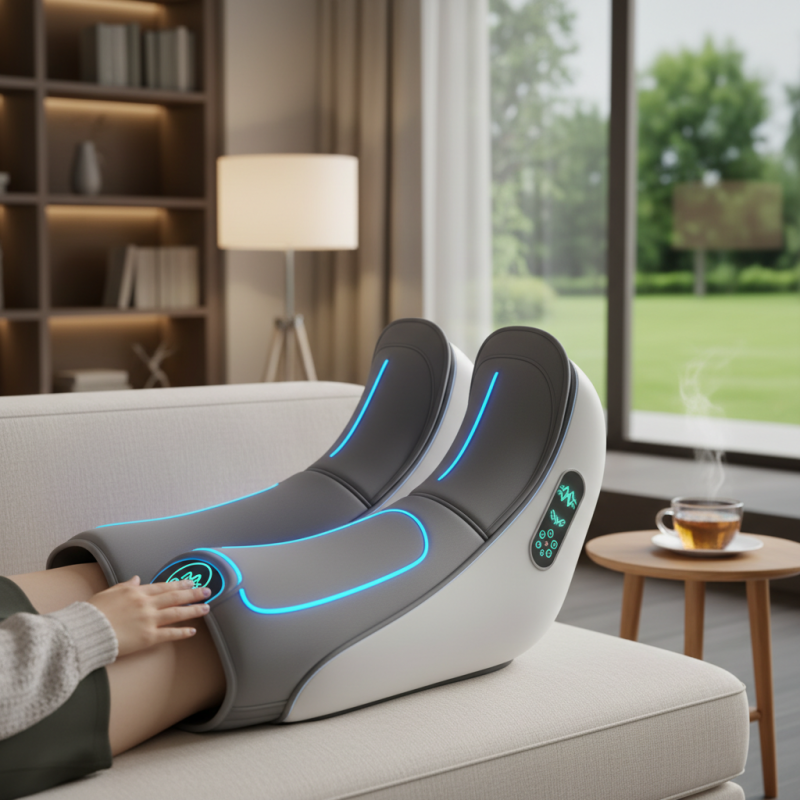
When exploring leg massagers, it's essential to understand the various types available. Compression massagers are popular for their ability to stimulate blood flow. They often use inflatable chambers that gently wrap around the legs. This type can be particularly effective for those with swelling or circulation issues. Yet, some users may find the pressure too intense or experience discomfort at higher settings.
Another common type is the kneading massager. These devices mimic the hands of a professional therapist. They work by applying pressure to specific points on the leg. Many people appreciate this type for targeted relief. However, the quality of kneading can vary widely. Some models may not provide enough intensity, leaving users dissatisfied.
Vibration massagers are gaining traction as well. These machines offer a gentle pulsating motion to relax muscles. They can be a great option for individuals who prefer a lighter touch. On the downside, they might not deliver the deep relief needed for chronic pain. Understanding your preferences and needs helps in choosing the right device. Each type has its pros and cons, making personal testing crucial.
When searching for the best leg massager, it's important to consider key features that provide effective relaxation and pain relief. A notable feature is adjustable pressure settings. Studies show that varying pressure can enhance circulation and reduce muscle tension (American Journal of Physical Medicine & Rehabilitation). Look for a device that allows you to customize the intensity based on your needs.
Heating options are another critical aspect. Heat can improve blood flow, relieve stiffness, and promote relaxation. According to a survey conducted by the National Institutes of Health, thermal applications are beneficial for muscle recovery. Moreover, consider a leg massager with multiple modes. These modes can simulate various massage techniques, offering a more comprehensive relaxation experience.
Tip: Test different settings to find your ideal comfort level.
Portability also matters. A lightweight and compact design ensures you can use the massager anywhere. Despite their numerous benefits, some users report discomfort with foot coverage. It might take time for your feet to adjust to the pressure. Keep an open mind as you explore your options.
Tip: Read user reviews for real experiences before buying.
Using a leg massager can significantly enhance relaxation and provide effective pain relief. Many individuals experience tension and discomfort in their legs after long days of standing or sitting. A leg massager targets specific pressure points to alleviate soreness and improve blood circulation. The soothing motion mimics a professional massage, offering a spa-like experience in the comfort of home.
Incorporating a leg massager into your routine can have numerous benefits. Regular use may reduce muscle fatigue and promote overall relaxation. People often report feeling lighter on their feet after a session. However, consistency is key; some users might not see immediate results. Adjusting the intensity settings can help tailor the experience, which is crucial for optimal results. Listening to your body's response is essential; what works for one person may not suit another.
It's important to consider that not all leg massagers are created equally. Some may lack the necessary features for deep tissue relief. Researching the right options based on individual needs enhances the effectiveness of the device. Awareness of potential discomfort during use also plays a role in maximizing benefits. Dedicate time to understand how your body reacts to the massage.
When it comes to leg massagers, choosing the right one is crucial for relaxation and pain relief. Many brands offer a variety of features, but how do they compare? A good leg massager should focus on both comfort and functionality. Most models incorporate heat therapy, kneading, and compression, but not all provide the same intensity or coverage.
Many users report mixed experiences. Some prefer models that cover the entire leg, while others find targeted massage more effective. A few devices might feel too strong or not strong enough. The key is to identify your specific needs. Look for adjustable settings that allow you to modify intensity. Features like timed sessions can enhance your experience as well.
User reviews often highlight reliability. A well-constructed massager will last longer and perform consistently. Still, not every product meets these expectations. It's wise to consider not just the features but also how they align with your personal comfort. Ultimately, understanding the various models available can lead to a more informed choice, resulting in greater relaxation and relief from pain.
Leg massagers have gained popularity for their ability to provide relaxation and pain relief. User experiences reveal a range of benefits and issues. A survey shows that over 70% of users report relief from muscle tension. However, some users express concerns about discomfort during use. This discrepancy emphasizes the need for individuals to choose the right product.
Many leg massagers offer multiple settings. Users appreciate devices that allow customization. This feature enables users to adjust intensity levels according to their comfort. A report from the American Physical Therapy Association highlights the importance of personalized settings for effective treatment. It shows that tailored approaches enhance user satisfaction.
Tips for choosing a leg massager include considering your specific needs. Look for options with heat functions. Heat can improve blood circulation and further aid in relaxation. Additionally, read user reviews to gauge comfort levels. Lastly, remember to take breaks during use. Some users find prolonged sessions can lead to soreness rather than relief. This understanding can help optimize your experience.
: The popular types include compression, kneading, and vibration massagers. Each has unique benefits and drawbacks.
Compression massagers use inflatable chambers to stimulate blood flow. They can be helpful for swelling and circulation issues.
Kneading massagers mimic a therapist's hands, providing targeted relief. However, their effectiveness can vary greatly between models.
Vibration massagers offer a gentle touch. They may not provide deep relief for chronic pain sufferers, though.
Adjustable pressure helps cater to individual needs. Customizing intensity can enhance circulation and reduce muscle tension.
Heat improves blood flow and relieves stiffness. It promotes relaxation and can be beneficial for recovery.
Consider features like adjustable settings, heat options, and portability. Personal preferences are vital for comfort.
Yes, reading user reviews can provide insights into real experiences. They can guide your decision-making process.
Some users find foot coverage uncomfortable at first. Adjusting to pressure may take time, so keep an open mind.
A well-constructed massager is likely to last longer and work reliably. Quality is key, but not every product meets expectations.
In the quest for ultimate relaxation and pain relief, choosing the right Leg Massager can make a significant difference. This article explores various types of leg massagers, outlining their distinct features and functionalities to help users make informed decisions. Key aspects to consider include comfort, intensity levels, and additional features such as heat therapy or adjustable settings, which can enhance the massage experience.
Additionally, the benefits of using a leg massager extend beyond relaxation, aiding in pain relief and improving overall circulation. A thorough comparison of top leg massager models sheds light on their effectiveness, supported by user reviews and experiences that provide valuable insights into real-world performance. Whether for relieving stress after a long day or managing chronic pain, a leg massager can be a worthwhile addition to your wellness routine.
